

Artificial intelligence (AI) has rapidly evolved from a theoretical discipline into a foundational technology shaping modern society. Across industries, AI systems are being deployed to automate processes, analyze vast quantities of data, enhance decision-making, and deliver personalized experiences at scale. Rather than replacing human expertise outright, most real-world applications augment human capabilities, improving speed, accuracy, and efficiency. Understanding how AI functions in practice provides clarity about both its transformative potential and its practical limitations.
TLDR: Artificial intelligence is already transforming industries such as healthcare, finance, manufacturing, retail, transportation, and cybersecurity. It enables automation, predictive analytics, personalized services, and real-time decision-making at unprecedented scale. From medical diagnostics to fraud detection and autonomous vehicles, AI applications are practical, measurable, and commercially viable. Its impact is broad, but most successful implementations combine algorithmic intelligence with human oversight.
Contents
- 1 Healthcare: Diagnostics, Treatment, and Operational Efficiency
- 2 Finance: Fraud Detection and Intelligent Decision-Making
- 3 Manufacturing: Predictive Maintenance and Quality Control
- 4 Retail: Personalization and Customer Insights
- 5 Transportation: Autonomous Systems and Route Optimization
- 6 Cybersecurity: Threat Detection and Response
- 7 Education: Personalized Learning and Administrative Automation
- 8 Energy and Utilities: Demand Forecasting and Grid Management
- 9 The Broader Implications of AI Deployment
- 10 Conclusion
Healthcare: Diagnostics, Treatment, and Operational Efficiency
Healthcare is among the most impactful sectors benefiting from AI. Hospitals, research institutions, and pharmaceutical companies rely on machine learning models to process medical data faster and more accurately than traditional methods allow.
Key applications include:
- Medical imaging analysis: AI algorithms analyze X-rays, MRIs, and CT scans to detect anomalies such as tumors, fractures, or early signs of disease with high accuracy.
- Predictive analytics: Models assess patient risk for complications, readmissions, or disease progression.
- Drug discovery: AI accelerates compound screening and predicts molecular interactions, reducing research timelines.
- Virtual health assistants: AI-powered chatbots guide patients through symptom checks and appointment scheduling.

For example, deep learning systems trained on thousands of annotated medical images can identify early-stage cancers that might evade the human eye during routine screening. Additionally, predictive AI models help hospitals allocate resources more efficiently by forecasting patient admission rates and ICU utilization.
Importantly, regulatory frameworks require human professionals to validate AI-driven recommendations, reinforcing that clinical decision-making remains under expert supervision.
Finance: Fraud Detection and Intelligent Decision-Making
The financial sector has embraced AI to enhance accuracy, speed, and risk management. With massive transaction volumes occurring every second, traditional rule-based systems cannot adapt quickly enough to emerging fraud patterns or market shifts.
Common financial AI applications include:
- Fraud detection: Machine learning models identify suspicious transaction patterns in real time.
- Credit scoring: Algorithms assess borrower risk using broader and more dynamic datasets.
- Algorithmic trading: AI-driven trading systems execute high-frequency trades based on market signals.
- Customer service automation: Intelligent chatbots handle inquiries and guide users through financial products.
Fraud detection systems, for instance, continuously learn from new data. When a transaction deviates from established behavior patterns—such as unusual geographic location or purchase amount—the system assigns a risk score and may temporarily block the activity pending review.
Similarly, AI-driven investment platforms analyze vast data sources, including historical trends and macroeconomic signals, to inform portfolio optimization. While human oversight remains critical, AI provides financial institutions with scalability and responsiveness that manual processes cannot match.
Manufacturing: Predictive Maintenance and Quality Control
Manufacturing environments generate extensive operational data from machinery, production lines, and supply chains. AI converts this data into actionable insights that improve reliability and reduce cost.
Examples include:
- Predictive maintenance: Sensors collect performance data to anticipate equipment failure before breakdown occurs.
- Automated quality inspection: Computer vision systems identify defects during production.
- Demand forecasting: AI models predict inventory needs based on historical and seasonal data.
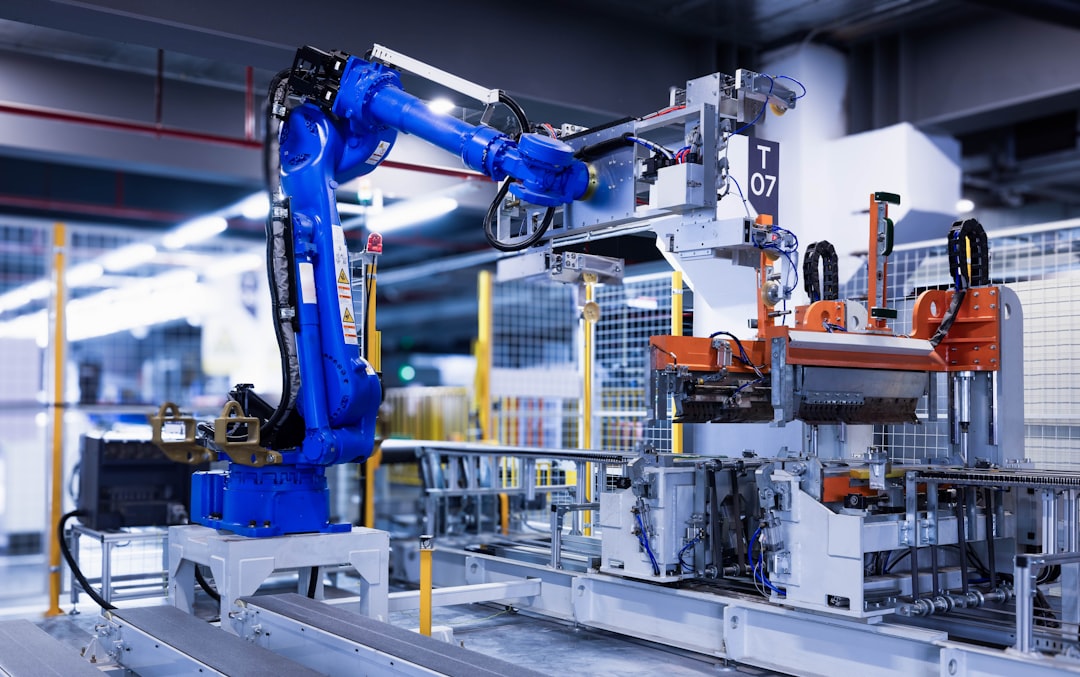
Predictive maintenance is particularly transformative. By analyzing vibration patterns, temperature fluctuations, and usage intensity, machine learning models detect early warning signs of component wear. Instead of reactive repairs after breakdown, companies schedule maintenance precisely when needed. This reduces downtime, lowers costs, and extends equipment life.
Meanwhile, computer vision systems inspect products at high speed, identifying microscopic flaws that might otherwise go unnoticed. This improves product consistency and reduces waste.
Retail: Personalization and Customer Insights
Retail organizations use AI to understand consumer behavior and deliver personalized experiences across physical and digital channels.
Primary applications include:
- Recommendation engines: Algorithms suggest products based on browsing history and purchasing patterns.
- Dynamic pricing: AI adjusts prices in response to demand, competition, and inventory levels.
- Inventory optimization: Predictive models forecast demand fluctuations.
- Customer sentiment analysis: Natural language processing analyzes reviews and feedback.
Recommendation systems are among the most visible examples of AI in daily life. By filtering enormous catalogs through collaborative filtering techniques and behavior-based modeling, retailers present highly relevant suggestions. This personalization improves both customer satisfaction and conversion rates.
In addition, AI-powered analytics track supply chain efficiency, helping retailers restock products in alignment with anticipated demand surges—such as holiday seasons or major promotions.
Transportation: Autonomous Systems and Route Optimization
AI is central to the modernization of transportation networks, from autonomous vehicles to logistics optimization.
Notable implementations include:
- Self-driving vehicles: Computer vision and sensor fusion interpret road environments in real time.
- Fleet management: AI optimizes routes to reduce fuel consumption and delivery times.
- Traffic prediction: Machine learning models analyze traffic patterns to forecast congestion.

Autonomous vehicles rely on a combination of cameras, radar, lidar, and deep learning models to interpret surroundings. These systems identify pedestrians, traffic signals, road markings, and obstacles within milliseconds. While full autonomy remains under regulatory and technical development, semi-autonomous capabilities are already widely deployed.
In logistics, route optimization algorithms evaluate weather data, road conditions, and real-time traffic feeds to recommend efficient delivery paths. This reduces operational costs and environmental impact while improving reliability.
Cybersecurity: Threat Detection and Response
As digital ecosystems expand, cybersecurity threats grow more sophisticated. AI enhances defensive capabilities by identifying patterns that signal potential breaches or malware activity.
Common AI-driven security tools include:
- Anomaly detection: Systems identify deviations from normal network behavior.
- Malware classification: Machine learning models categorize malicious code.
- Phishing detection: Natural language models detect suspicious messages.
AI-based cybersecurity platforms learn baseline network behavior patterns. When unusual login times, unexpected file transfers, or unfamiliar IP addresses appear, the system flags them immediately. Automated containment protocols can then isolate compromised devices while security teams investigate.
This proactive defense approach significantly reduces response time compared to manual monitoring alone.
Education: Personalized Learning and Administrative Automation
Educational institutions use AI to tailor learning experiences and streamline administrative processes.
Applications include:
- Adaptive learning platforms: Systems adjust lesson difficulty based on student performance.
- Automated grading: AI assesses assignments and quizzes efficiently.
- Early intervention analytics: Predictive models identify students at risk of falling behind.
Adaptive learning tools monitor how students interact with educational content. If a learner struggles with certain concepts, the platform presents additional exercises or alternative explanations. Conversely, advanced learners progress to more challenging material without delay.
By analyzing engagement data, institutions also gain insights into program effectiveness and resource allocation.
Energy and Utilities: Demand Forecasting and Grid Management
Energy providers increasingly depend on AI to manage power generation and distribution efficiently.
Core examples include:
- Load forecasting: Predictive models estimate electricity demand fluctuations.
- Smart grid optimization: AI balances supply and demand dynamically.
- Renewable energy integration: Algorithms predict solar and wind output variability.
Accurate load forecasting prevents overproduction or shortages, supporting stability within national power grids. AI-driven models use historical consumption patterns, weather forecasts, and seasonal data to anticipate demand spikes. This improves cost efficiency and strengthens resilience.
The Broader Implications of AI Deployment
While AI adoption offers measurable efficiency gains, successful implementation requires addressing governance, ethics, and transparency. Organizations must ensure:
- Data quality and security to prevent biased or incorrect outputs.
- Regulatory compliance within industry-specific frameworks.
- Human oversight in critical decision-making processes.
- Clear accountability structures defining responsibility for AI-driven outcomes.
Responsible implementation emphasizes that AI should augment—not indiscriminately replace—human expertise. When integrated thoughtfully, it enhances productivity and insight while preserving ethical safeguards.
Conclusion
Artificial intelligence is no longer confined to research laboratories or speculative future scenarios. It is embedded in hospital diagnostics, financial systems, manufacturing facilities, retail platforms, transportation networks, cybersecurity infrastructures, classrooms, and power grids. Its real-world applications demonstrate measurable economic and operational value.
Across industries, the most effective implementations combine advanced algorithms, robust data pipelines, regulatory discipline, and human supervision. As technologies continue to mature, AI will further redefine standards of efficiency, personalization, and predictive capability. The examples outlined above illustrate not a distant possibility, but a present reality shaping how modern institutions operate and evolve.

