
International travel has changed dramatically in the past few years, and one of the most impactful innovations has been the rise of the eSIM. Instead of hunting for local SIM cards at airports or paying high roaming charges, travelers can now activate mobile data plans digitally within minutes. As more smartphones become eSIM-compatible, this technology is quickly becoming the new standard for global connectivity.
TLDR: eSIM technology allows travelers to activate mobile data plans digitally without swapping physical SIM cards. It saves time, reduces roaming costs, and provides flexible, country-specific or regional plans. The best eSIM providers offer competitive pricing, reliable coverage, and easy app-based activation. For frequent travelers, switching to eSIM is a simple upgrade that delivers convenience and control.
Contents
- 1 What Is an eSIM and Why It Matters
- 2 Why Every Traveler Should Switch to eSIM
- 3 10 Best eSIM Providers for Travelers
- 4 Comparison Chart of Top eSIM Providers
- 5 How to Choose the Right eSIM Provider
- 6 Are There Any Downsides?
- 7 The Future of eSIM for Travel
- 8 Frequently Asked Questions (FAQ)
- 8.1 1. What phones support eSIM?
- 8.2 2. Can travelers use eSIM and a physical SIM at the same time?
- 8.3 3. Is eSIM cheaper than roaming?
- 8.4 4. Do eSIM plans include phone numbers?
- 8.5 5. What happens when the data runs out?
- 8.6 6. Is eSIM safe and secure?
- 8.7 7. Can travelers switch between multiple eSIM profiles?
- 8.8 8. Does eSIM work without Wi-Fi?
What Is an eSIM and Why It Matters
An eSIM (embedded SIM) is a digital SIM that is built directly into a smartphone, tablet, or smartwatch. Instead of inserting a physical SIM card, users simply download a mobile plan via an app or QR code. This eliminates the need for physical handling and makes switching carriers remarkably simple.
For travelers, this innovation solves three major problems:
- Expensive international roaming fees
- Difficulty finding reliable local SIM vendors
- Managing multiple SIM cards
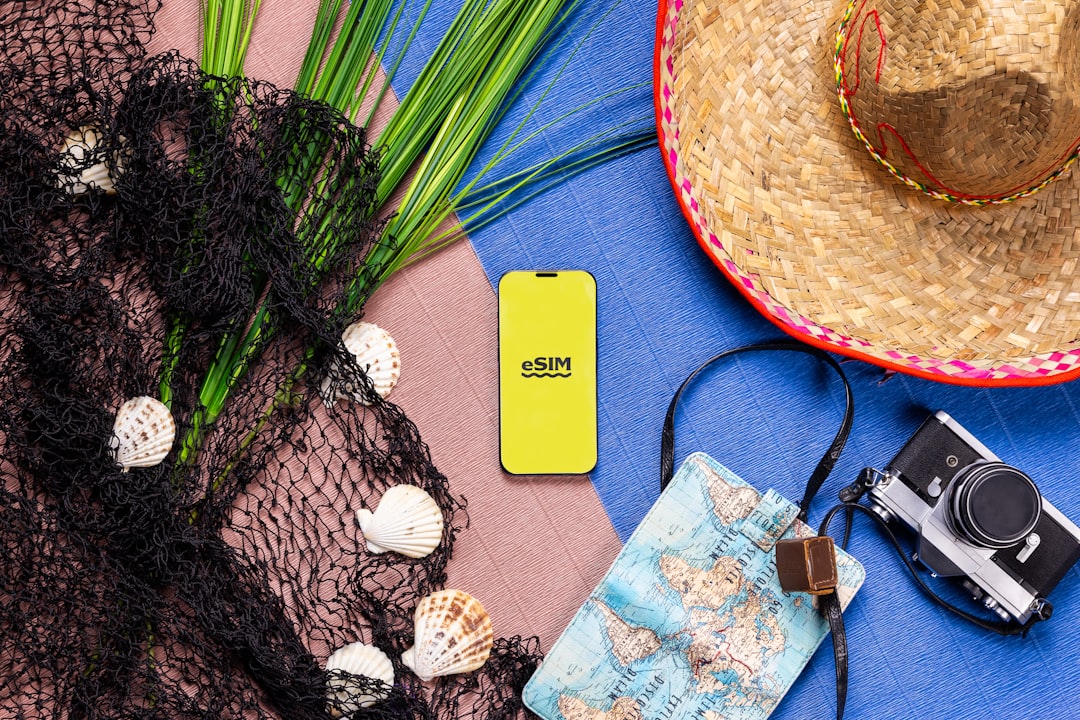
With eSIM, travelers can purchase a plan before boarding a plane and activate it upon arrival. The process typically takes less than five minutes.
Why Every Traveler Should Switch to eSIM
1. Instant Activation
Travelers no longer need to queue at airport kiosks. Most eSIM plans can be activated immediately after purchase through a carrier’s app.
2. Lower Costs
eSIM providers often offer significantly lower rates than traditional roaming packages from home carriers.
3. Multiple Plans on One Device
Users can store several eSIM profiles on the same device, making it easy to switch between countries or regions.
4. No Physical SIM Swapping
This eliminates the risk of losing a home SIM card while abroad.
5. Flexible Short-Term Plans
Many providers offer plans ranging from a few days to several months.
10 Best eSIM Providers for Travelers
1. Airalo
Airalo is one of the most recognized global eSIM marketplaces. It offers country-specific, regional, and global plans across more than 200 destinations.
- Wide global coverage
- Affordable data packages
- Easy app-based management
2. Holafly
Holafly specializes in unlimited data plans in many popular travel destinations. This makes it ideal for heavy data users.
- Unlimited plans available
- Simple pricing structure
- Strong customer support
3. Nomad
Nomad offers competitive rates and flexible regional plans, making it popular among digital nomads and business travelers.
4. Ubigi
Ubigi is known for reliable coverage and strong partnerships with major global networks.
5. GigSky
GigSky provides both consumer and enterprise solutions, with coverage in over 190 countries.
6. Truphone
Truphone focuses on seamless international connectivity and also offers business-level services.
7. aloSIM
aloSIM combines competitive pricing with user-friendly activation and responsive customer service.
8. KnowRoaming
KnowRoaming provides prepaid global data plans with straightforward pricing options.
9. Flexiroam
Flexiroam offers global data roaming plans and long-term validity options.
10. Maya Mobile
Maya Mobile is gaining traction for affordable regional packages and simple setup.
Comparison Chart of Top eSIM Providers
| Provider | Coverage | Unlimited Plans | Regional Plans | Best For |
|---|---|---|---|---|
| Airalo | 200+ countries | No | Yes | Budget travelers |
| Holafly | 160+ countries | Yes (selected) | Yes | Heavy data users |
| Nomad | 165+ countries | No | Yes | Digital nomads |
| Ubigi | 190+ countries | No | Yes | Business travelers |
| GigSky | 190+ countries | Limited | Yes | Frequent flyers |
| Truphone | 100+ countries | No | Yes | Corporate users |
| aloSIM | 170+ countries | No | Yes | Flexible short trips |
| KnowRoaming | 200+ countries | No | Yes | Prepaid simplicity |
| Flexiroam | 150+ countries | No | Yes | Long-term travelers |
| Maya Mobile | 150+ countries | Selected regions | Yes | Regional travel |
How to Choose the Right eSIM Provider
Not all eSIM providers offer identical features. Travelers should evaluate:
- Destination Coverage: Ensure service is strong in the target country.
- Data Allowance: Light users may only need 3–5GB, while remote workers may require unlimited options.
- Validity Period: Plans vary from 5 days to 90 days or longer.
- Customer Support: 24/7 support can be crucial when abroad.
- Price per GB: Comparing cost efficiency prevents overspending.

Are There Any Downsides?
While eSIM technology is highly convenient, it does have limitations:
- Not all older smartphones support eSIM.
- Some plans are data-only and exclude voice calls.
- Coverage quality depends on local partner networks.
However, for most modern travelers with updated devices, these drawbacks are minor compared to the overall convenience.
The Future of eSIM for Travel
The adoption of eSIM is accelerating as smartphone manufacturers increasingly eliminate physical SIM trays. Airlines, travel agencies, and even booking platforms are beginning to integrate eSIM offerings directly into travel packages.
As competition among providers increases, pricing continues to drop, and plan flexibility improves. In the near future, traditional roaming may become obsolete for international travelers.
Frequently Asked Questions (FAQ)
1. What phones support eSIM?
Most recent iPhone models (XS and newer), Google Pixel devices, Samsung Galaxy flagships, and many newer smartphones support eSIM. Travelers should check their device specifications before purchasing a plan.
2. Can travelers use eSIM and a physical SIM at the same time?
Yes. Most dual-SIM phones allow users to keep their home SIM active for calls and texts while using eSIM for data.
3. Is eSIM cheaper than roaming?
In most cases, yes. eSIM data plans are significantly more affordable than international roaming charges from traditional carriers.
4. Do eSIM plans include phone numbers?
Many travel-focused eSIM plans are data-only. Some providers offer plans with calling and texting, but availability varies.
5. What happens when the data runs out?
Users can typically top up or purchase another plan directly through the provider’s app.
6. Is eSIM safe and secure?
Yes. eSIM technology uses encrypted carrier profiles and is considered secure. In fact, losing a physical SIM card is no longer a risk.
7. Can travelers switch between multiple eSIM profiles?
Yes. Devices can store several eSIM plans simultaneously, though only one or two may be active at a time depending on the device.
8. Does eSIM work without Wi-Fi?
Initial installation typically requires Wi-Fi, but once activated, the plan works anywhere the provider has network coverage.
Final Thought: eSIM technology represents a practical evolution in how travelers stay connected. With instant activation, global coverage, and competitive pricing, the best eSIM providers make international travel smoother and more affordable than ever before. For modern travelers, switching to eSIM is no longer just an option—it is becoming the smart default.

