
In today’s competitive and fast-paced marketplace, operational efficiency is a key determinant of business success. Among the many behind-the-scenes contributors to streamlined operations, the modern label factory plays a surprisingly central role. From manufacturing and logistics to retail and healthcare, labels are essential for identification, compliance, branding, and traceability. A modern label factory does far more than print stickers—it integrates advanced technology, automation, and data systems to support efficient business operations across entire supply chains.
TLDR: A modern label factory supports efficient business operations by combining advanced printing technology, automation, and data integration. It improves accuracy, speeds up production, enhances compliance, and strengthens brand visibility. By offering customization, scalability, and supply chain integration, it helps companies reduce costs and minimize errors. Ultimately, it becomes a strategic partner rather than just a print vendor.
Contents
- 1 The Strategic Role of a Modern Label Factory
- 2 Advanced Printing Technologies
- 3 Automation and Workflow Integration
- 4 Quality Control and Error Reduction
- 5 Scalability for Growing Businesses
- 6 Regulatory Compliance and Traceability
- 7 Enhancing Brand Identity
- 8 Sustainability and Environmental Responsibility
- 9 Improved Supply Chain Coordination
- 10 Data-Driven Decision Making
- 11 Conclusion
- 12 Frequently Asked Questions (FAQ)
- 12.1 1. What makes a label factory “modern”?
- 12.2 2. How does a label factory improve supply chain efficiency?
- 12.3 3. Can a label factory handle small and large production runs?
- 12.4 4. How do modern label factories support compliance?
- 12.5 5. Are sustainable labeling options available?
- 12.6 6. Why is label quality control so important?
The Strategic Role of a Modern Label Factory
A label factory today functions as a technology-driven production hub. It collaborates closely with clients to ensure labels meet regulatory requirements, branding standards, and logistical needs. By leveraging digital printing, automated quality control, and integrated software systems, it reduces bottlenecks and human error.
Efficient labeling directly impacts:
- Inventory management
- Shipping accuracy
- Regulatory compliance
- Customer experience
- Brand recognition
Without reliable labeling systems in place, businesses face delayed shipments, fines, product recalls, and diminished consumer trust.
Advanced Printing Technologies
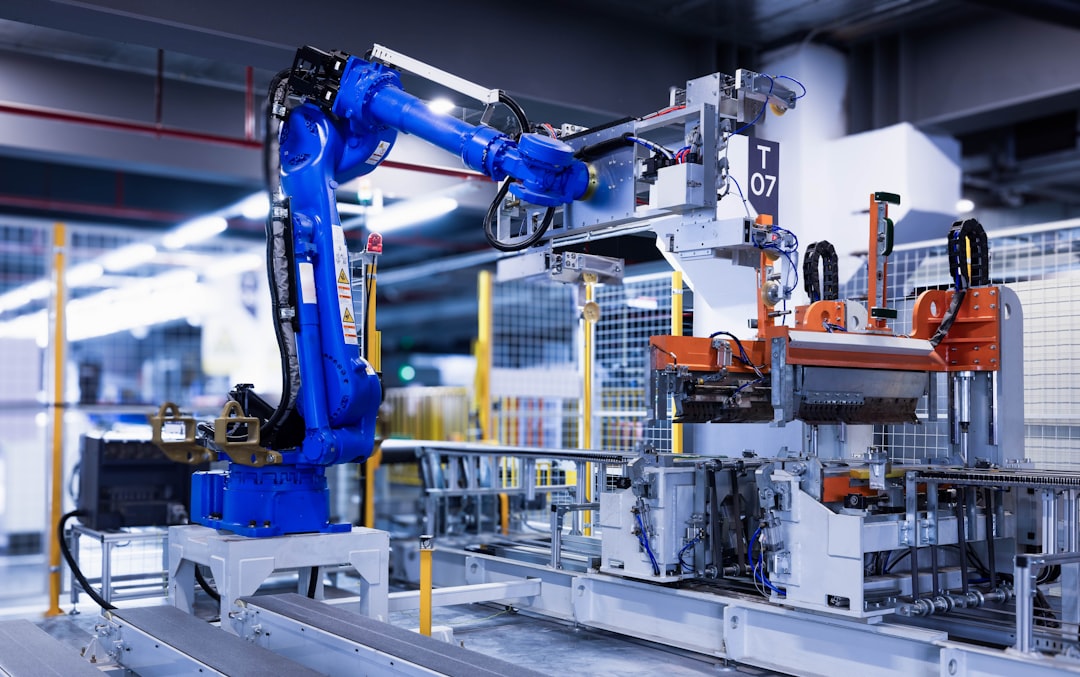
Modern label factories employ a range of advanced printing technologies to meet different operational needs. These technologies allow businesses to scale production without sacrificing accuracy or quality.
Key printing technologies include:
- Digital Printing: Ideal for short runs and variable data printing.
- Flexographic Printing: Suitable for high-volume production.
- Thermal Transfer Printing: Common in logistics and warehousing.
- UV Printing: Durable and resistant to environmental factors.
Digital printing, in particular, allows businesses to incorporate variable data such as barcodes, QR codes, serial numbers, or expiration dates. This flexibility supports traceability and personalization—two essential components of modern supply chains.
Technology Comparison Chart
| Technology | Best For | Speed | Customization | Cost Efficiency |
|---|---|---|---|---|
| Digital Printing | Short runs, variable data | Medium | High | High for small batches |
| Flexographic Printing | Large volumes | Very High | Medium | Very high for bulk |
| Thermal Transfer | Logistics labels | High | Low to Medium | Moderate |
| UV Printing | Durable products | Medium | Medium | High durability value |
Automation and Workflow Integration
Automation is one of the most significant contributors to operational efficiency in a modern label factory. Automated workflows reduce manual intervention, accelerate turnaround times, and minimize production errors.
Through integrated software systems, label factories can connect directly with a client’s:
- Enterprise Resource Planning (ERP) systems
- Warehouse Management Systems (WMS)
- Inventory platforms
This integration allows label data to be automatically generated and updated in real time. For example, if a product detail changes in the ERP system, the label design can update automatically without manual redesign.
As a result, businesses benefit from:
- Reduced administrative workload
- Lower risk of outdated labeling
- Faster approval cycles
- Improved cross-department coordination
Quality Control and Error Reduction
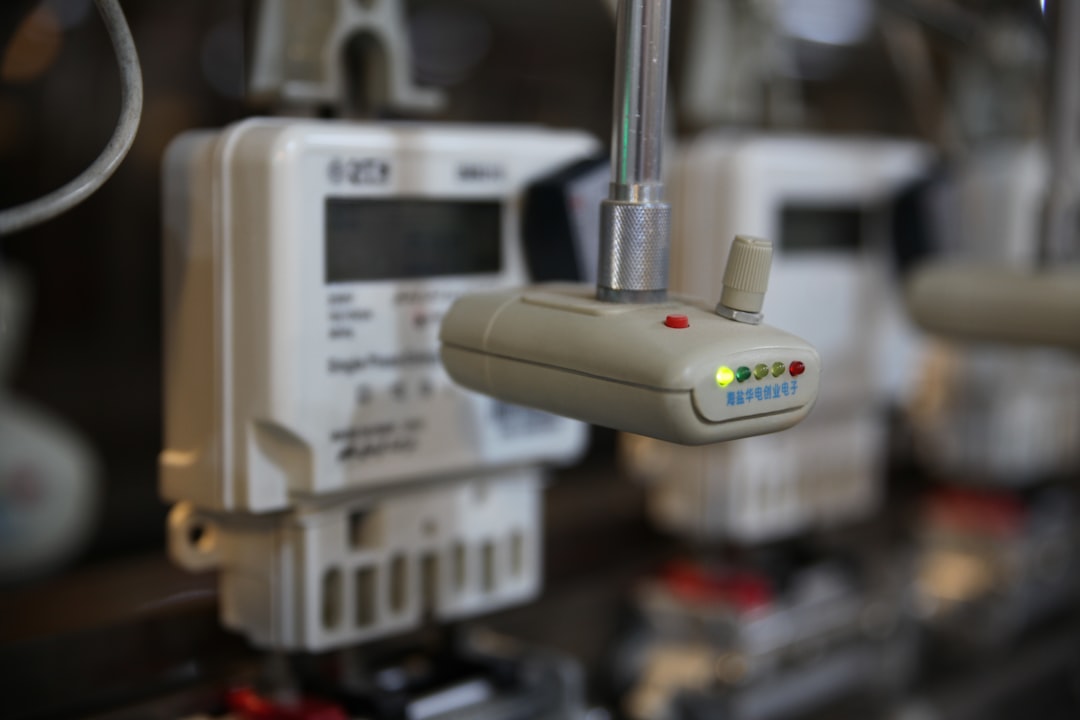
Labeling errors can result in costly recalls and compliance violations. Modern label factories use automated inspection systems equipped with cameras and AI-based verification to detect printing defects, color inconsistencies, and barcode readability issues.
These systems ensure that:
- Barcodes scan accurately
- Text is legible and compliant
- Colors match brand specifications
- No misprints leave the production line
By reducing errors at the source, companies avoid expensive downstream disruptions in shipping, retail display, or distribution.
Scalability for Growing Businesses
A modern label factory enables businesses to scale operations efficiently. When product demand increases, the factory can ramp up production volumes without compromising delivery timelines.
Scalability advantages include:
- Flexible production capacity
- Rapid turnaround for seasonal spikes
- On-demand reorders
- Inventory forecasting support
This flexibility is particularly valuable in industries such as food and beverage, pharmaceuticals, cosmetics, and e-commerce, where product lines frequently evolve.
Regulatory Compliance and Traceability
Many industries operate under strict regulatory requirements that mandate specific labeling information. A modern label factory stays up to date with regulatory standards and ensures that labels meet legal specifications.
Compliance features may include:
- Accurate ingredient listings
- Safety warnings
- Batch numbers
- Expiration dates
- Country of origin details
Traceability is equally important. Through serialized labeling and QR codes, businesses can track products throughout the supply chain, quickly isolate defective batches, and protect consumer safety.
Enhancing Brand Identity
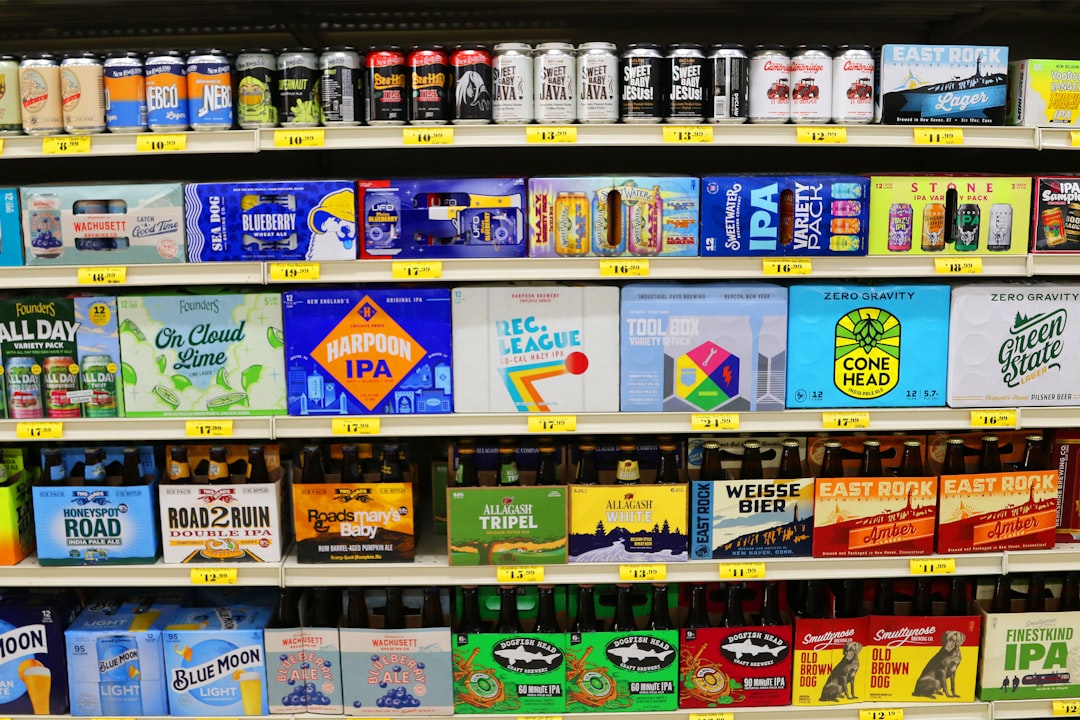
Beyond functionality, labels are powerful branding tools. A modern label factory offers high-resolution graphics, specialty finishes, and custom materials that enhance shelf appeal.
Brand-enhancing options include:
- Embossing and debossing
- Foil stamping
- Matte or gloss coatings
- Transparent labels
- Eco-friendly materials
When labels are visually appealing and durable, products stand out in competitive retail environments. This directly contributes to increased consumer trust and purchase decisions.
Sustainability and Environmental Responsibility
Modern label factories increasingly adopt sustainable production practices. They use eco-friendly inks, recyclable substrates, and energy-efficient equipment.
Environmental initiatives may include:
- Water-based adhesives
- Recyclable liner materials
- Waste reduction programs
- Carbon footprint monitoring
By partnering with environmentally responsible label manufacturers, businesses can meet sustainability goals and appeal to eco-conscious consumers without sacrificing operational efficiency.
Improved Supply Chain Coordination
Efficient labeling ensures that products move smoothly through distribution channels. Clear and standardized labels improve sorting accuracy in warehouses and reduce shipping errors.
Through coordinated forecasting and just-in-time production, modern label factories align with supply chain schedules. This synchronization:
- Reduces storage costs
- Prevents label overstocking
- Avoids production interruptions
- Improves delivery reliability
In this way, the label factory becomes an integral extension of a company’s logistics infrastructure.
Data-Driven Decision Making
Modern factories generate production analytics that provide valuable business insights. Metrics such as turnaround time, print accuracy rates, and order frequency help businesses refine forecasting strategies.
Data visibility enables companies to:
- Identify inefficiencies
- Optimize reorder cycles
- Manage costs more effectively
- Enhance production planning
Instead of reacting to problems, businesses can proactively improve processes based on measurable data.
Conclusion
A modern label factory is far more than a production vendor—it is a strategic partner in operational excellence. By combining advanced printing technologies, automation, quality control systems, and integrated data workflows, it supports efficiency at every stage of business operations. From ensuring regulatory compliance to strengthening brand identity, the impact of precise and scalable labeling solutions is substantial.
As businesses continue to expand and global supply chains grow more complex, the role of the modern label factory will only become more central. Companies that invest in strong labeling partnerships position themselves for smoother operations, reduced risk, and sustained competitive advantage.
Frequently Asked Questions (FAQ)
1. What makes a label factory “modern”?
A modern label factory uses advanced digital printing, automation, integrated software systems, and automated quality control to deliver accurate and efficient labeling solutions.
2. How does a label factory improve supply chain efficiency?
It ensures accurate, scannable labels that integrate with logistics systems, reducing shipping errors, delays, and compliance risks.
3. Can a label factory handle small and large production runs?
Yes. Digital printing is ideal for small batches, while flexographic printing supports large-scale production efficiently.
4. How do modern label factories support compliance?
They stay informed about industry regulations and use automated verification systems to ensure label accuracy and legal adherence.
5. Are sustainable labeling options available?
Many modern factories offer eco-friendly materials, recyclable liners, and environmentally responsible inks to support sustainability initiatives.
6. Why is label quality control so important?
Accurate labels prevent costly recalls, protect brand reputation, and ensure smooth scanning and tracking throughout the supply chain.

